

Make Eye Contact
{A Written Practice}
Make Eye Contact
Portals to the interior
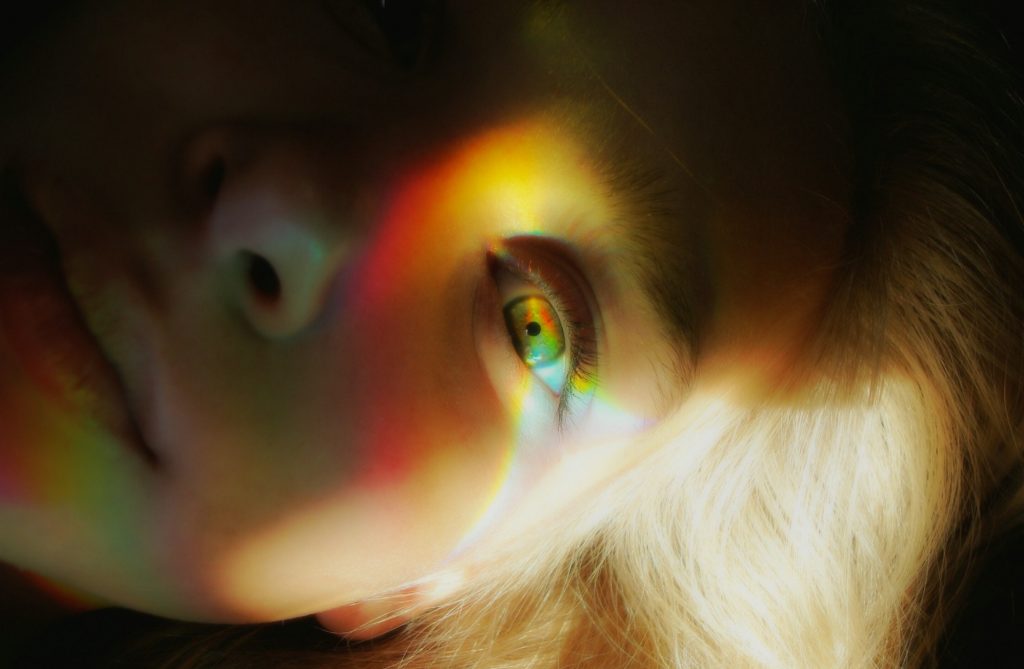
Windows to the soul, and all of that. Says the Bible, If the eye is single, the whole body will be full of light. Eye contact is generally a social engagement cue (unless cultures have socialization around deferring eye contact with Elders, across generational or gender lines, etc.) So much is communicated through the eyes. And we feel this–sometimes too intently. You can feel pinned by someone’s gaze, invited, drawn towards. How does this even happen? At the level of social engagement, of connection, eye contact can be an invitation, an openness. A way of tracking, of micro-attuning.
Begin to notice with whom, and how you make eye contact with others. Who is it easy to look at? Who do you turn away from? Are your eyes asking a question? Making a statement? Witnessing? Needing something?
Notice the way that children make eye contact. Especially when they are little, and aren’t trying to do anything with their gaze, watch the way they hold what they love with their eyes. So much comes into us through the eyes that is related to our hearts. Neurophysiologically we barely understand this: the nature of this portal. Allow yourself to not merely look, but to begin to feel through your eyes.
It should be duly noted, in discussing eye contact, that it means different things to people when they are in defensive states. No matter what my intention is, from my side, if I’m engaging with someone in a neural platform of defense, the eye contact will be filtered through that platform. When we are in a fight state, neutral eye contact is perceived as aggressive. When we are in a flight state, neutral eye contact is perceived as intrusive. When we are in a shutdown state, neutral eye contact is overwhelming. Eye contact is polyvgally state-mediated.
Related Practices:
Related to all practices that Turn on the Connection System. As a sensory experience involving the eyes, related to Soften the Gaze, Vista Views, Stare Vacantly into the Distance.Photography: | Licensed from Pexels.com, used with permission.