

Get to Know Your Local Flora and Fauna
{13 minutes}

Get to Know Your Local Flora and Fauna
In other words, your non-human neighbors
About two hundred feet from our back door, every spring, a mated pair of kites returns to nest. Eighty feet up in the Eucalyptus trees at the front of our property is a ramshackle nest that two years ago was used by Great Horned Owls, and this years is being used by Red-Shouldered Hawks. Our neighbor leaves a bucket of fresh water in the walkway beside her house, and the same family of deer return to drink from it. A hummingbird has built a nest in a rusted iron wind chime. There is a gnarled Monterey pine one lane over that seems to be the grandfather of all the Monterey pines in that area. Up the hill by my sit spot is a Coastal Live Oak with a beehive in a hollowed-out branch. There's a particular coyote that keeps wandering through our complex.
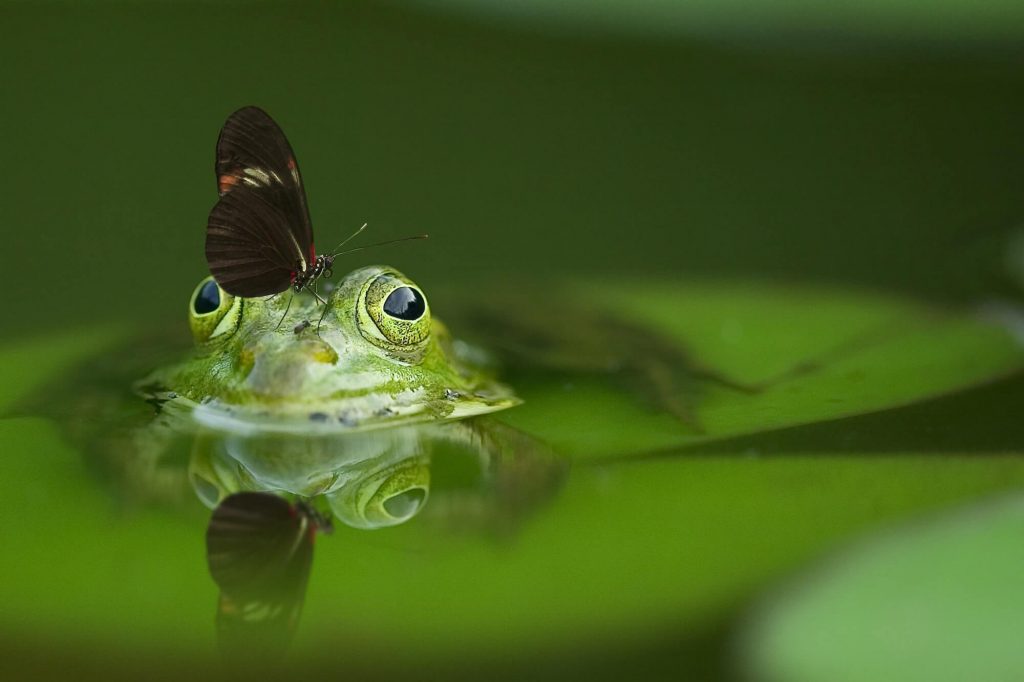
Anytime you step outside, you are in someone’s neighborhood. The most humble patch of dirt has inhabitants. We are, most of us, even in urban environments, surrounded by a constantly changing cast of creatures. In most major cities, raccoons and coyotes and foxes walk the empty streets at night. In the over-size puddle from that last rain you may hear an itinerant frog. And this doesn’t even begin to account for creatures that are passing through on migration: insects, birds. Like any relationship, getting to know your local flora and fauna requires awareness and interest. If you are seeking to get to know the animals that live in your place, look not only for them, but for evidence of them. What is evidence? Feathers, fur, scat (droppings), tracks, shelter. A web is evidence of someone’s home, as is a nest, as is, perhaps, a flattened place in otherwise high grass. Poop, ever fascinating to children, and the children in all of us, is a robust form of evidence. Consider what sources of food exist for various creatures. Of plants, again, consider your local eco-system(s). If forested, what are the primary kinds of trees? Perhaps buy a field guide to local anything. Consider visiting a state park, many of which hand out free maps with guides to various local species. Learning about the plants and animals of a place connects us not only to the creatures, but also to the land. It begins to make things personal. Making it personal is how we build ropes, the doorway to connection.
Photography: Stein Egil Liland | Licensed from Pexels.com, used with permission.