

Create a Restorative Ambiance
{11 minutes}

Create a Restorative Ambiance
It takes four words in English to translate the Danish word 'hygge'
At this point you’ve probably figured out that part of our objective is to rescue self-care from the kind of white-washing that associates it with nine dollar pressed juices and spa treatments for rich ladies. At the same time, there’s room for a little dash of ancestral European cozy here: wool sweaters, tallow candles, and the like. Europe was once filled with indigenous and ancestral peoples as well, who knew how to get their cozy on.
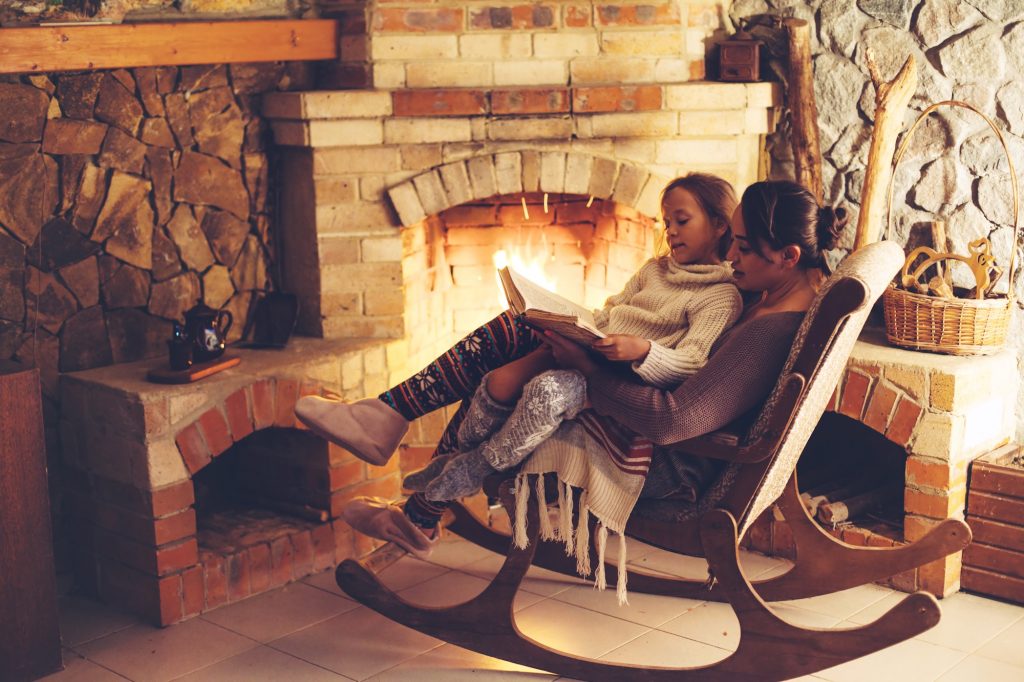
While creating a restorative ambiance means different things to different people, a restorative ambiance is generally one that makes you feel safe, first of all, and then supports embodiment, calm, rest, restoration, connection, and an “earth-based pace.”
The Dutch and the Danes seem to have a lot of words for this, presumably because its so dang cold where they are, and dark in the winter for a long time. It has therefore been necessary to create a lot of rituals and spaces that are about keeping people warm and cozy, and keeping their spirits up when there’s not a lot of light. I hear they know a thing or two about saunas. There’s the Dutch word gezellig, for things that are homey and cozy and social and fun. The Danish hygge, which is about creating atmospheres of coziness, and lagom, a Swedish word for the Goldilocks ‘not too little, not too much’ sort of quality. In the video above, we explore some of the qualities that can give a space a restorative ambiance.
We think about the space itself, the importance of a hearth, building materials, air and light, analog elements (as opposed to digital), tactile qualities, and a felt sense of history.
Related Practices:
See Learn Feng Shui. See Tidy up the Nest. See all the analog practices on the platform.Photography: | Licensed from Pexels.com, used with permission.